educational
Spring Garden Guide
A beginner-friendly spring garden guide to starting seeds indoors, understanding frost dates, and growing tomatoes, herbs, and summer vegetables from seed. Learn simple steps to start a thriving garden at home.
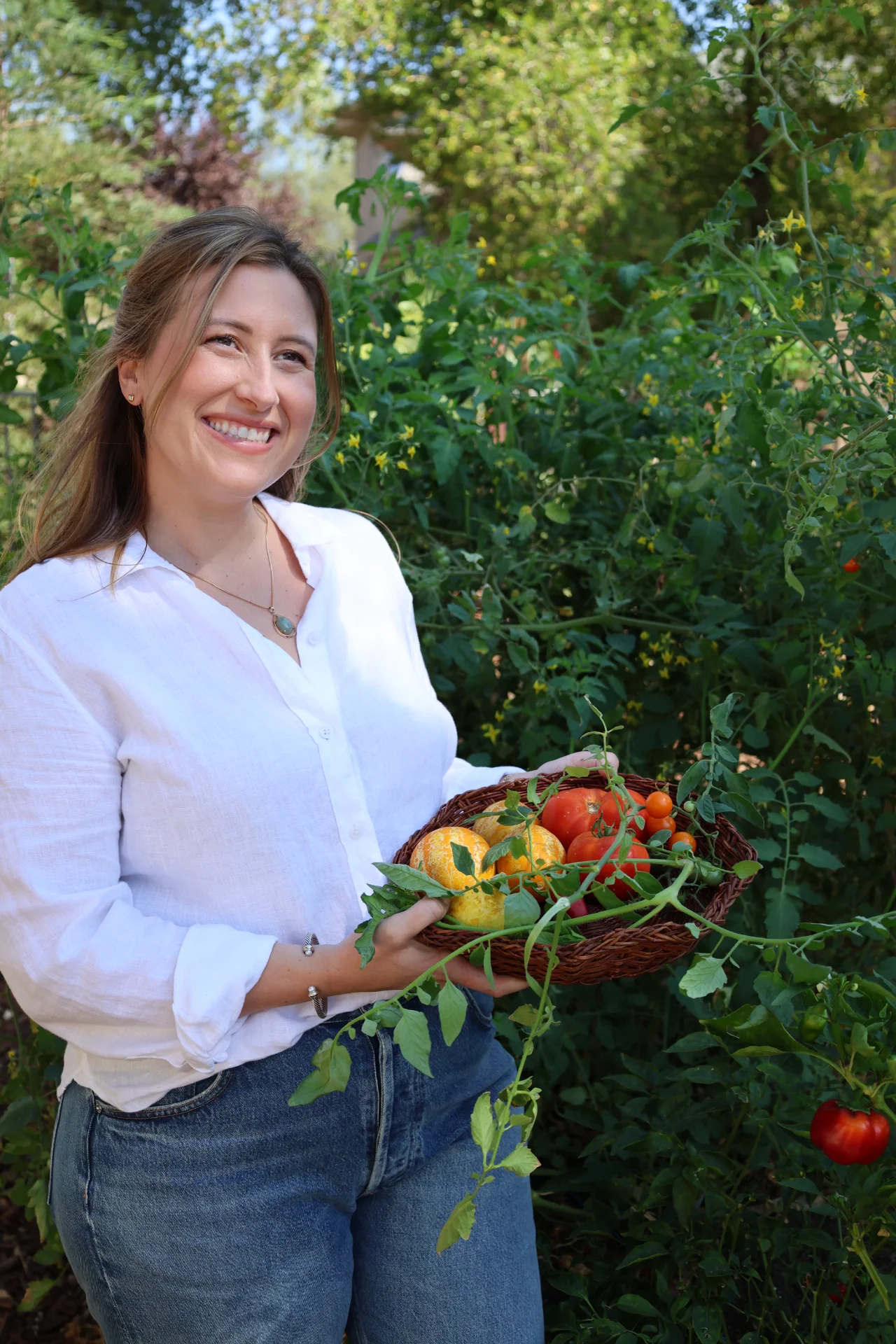
When I was growing up, my grandpa always had a garden in the backyard. It was the kind you remember in small snapshots; tomato vines climbing taller than me; rows of herbs he would let me pick with careful hands. Every evening, he would step outside to check on everything, like the plants were old friends.Seed starting was part of that rhythm. Trays lined up by the window long before the season felt warm enough. It was his quiet ritual, a way of beginning before spring fully arrived. Today, we are carrying that same simple beginning forward.
Start Seeds Indoors
Long before tomatoes are heavy on the vine or basil is spilling over the edges of a planter, it all starts quietly. Seeds pressed into soil. Trays lined up near a sunny window. A little patience and a lot of hope. There is nothing more rewarding than watching your summer garden begin in tiny spring seedlings.Starting seeds inside gives your garden a head start. Instead of waiting for warm soil and long days, you can begin weeks earlier and plant strong, established seedlings once the risk of frost has passed. It also gives you more choice. You are not limited to what is available at the nursery. You can grow varieties you truly love and plan your garden with intention.
How Seed Starting Works
You will need seed trays or small containers, seed-starting soil, seeds, water, and light. Fill your trays with soil, plant seeds according to the packet directions, water gently, and place them in a bright window or under a grow light. Consistency matters more than perfection. Keep the soil lightly moist and rotate trays so seedlings grow evenly. Within days or weeks, depending on the plant, you will see green pushing through the soil. That moment never gets old.
Timing and the Last Frost
Before planting anything outside, you need to know your last frost date. This is the average date when frost is no longer expected in your area. You can easily look this up by searching your city and “last frost date.” That one detail helps guide everything else. Most summer vegetables should be started indoors several weeks before that date, then planted outside after the danger of frost has passed.
What to Plant for a Summer Garden
Some plants are especially well-suited for starting indoors in spring. Tomatoes, peppers, basil, herbs, cucumbers, squash, and flowers like zinnias and cosmos all benefit from an early start. Leafy greens and root vegetables often prefer to be direct-sown outside, but many summer favorites thrive when given a head start indoors. Choose plants you already love to eat and use.
Transfer Your Seedlings Outside
Once the weather warms and nights stay consistently mild, your seedlings are ready for the garden. Before planting, give them time to adjust by placing trays outside for short periods each day. This process, called “hardening off”, helps prevent shock when they move into the ground. Then comes the most satisfying part… transplanting something you started from seed and watching it grow all season long. That’s where you’ll find the joy in gathering.
Share this post